

Areas of Practice

Recreational Vehicle & Boating Accidents Lawyer Toronto
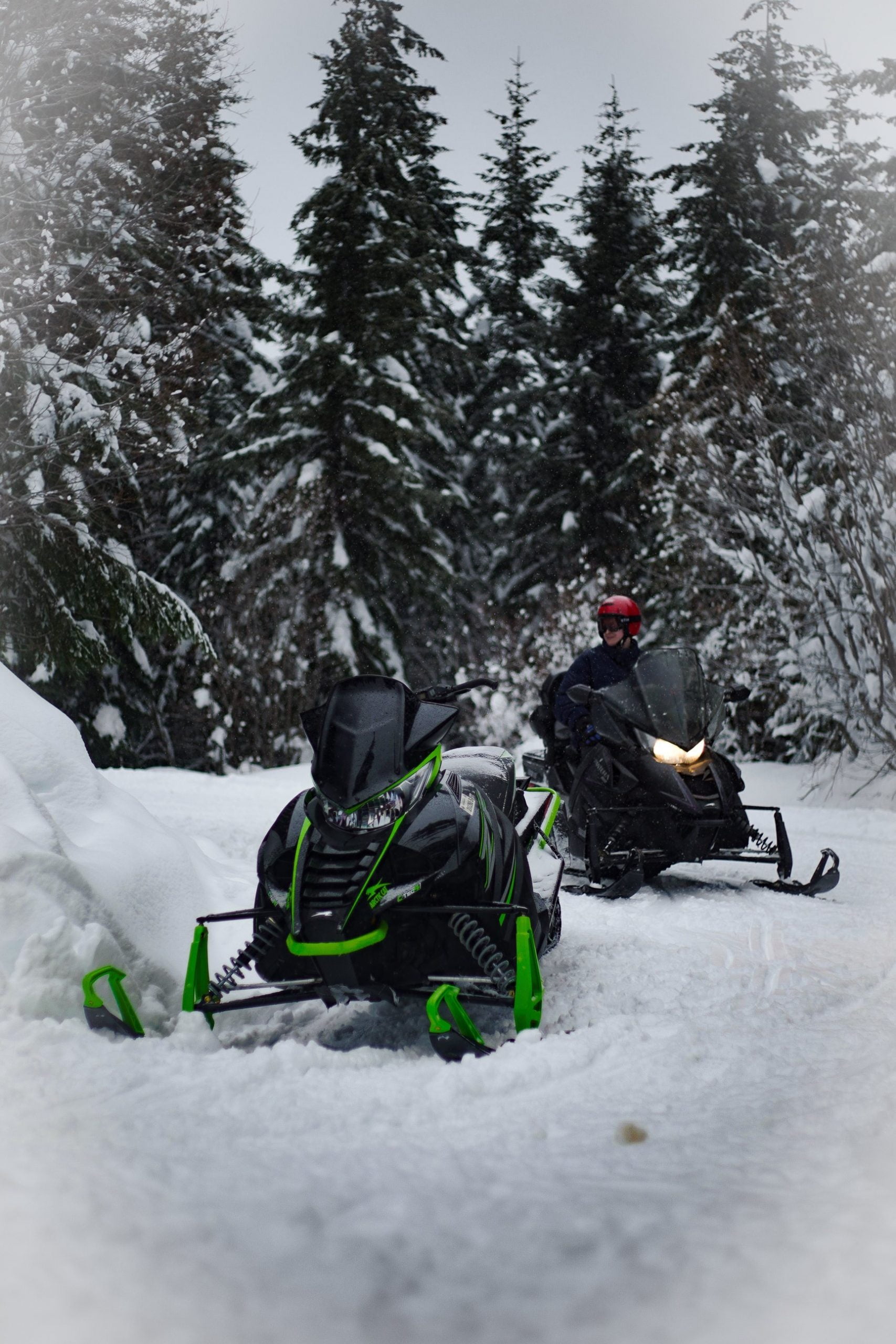
snowmobile accident lawyer Toronto

Toronto Recreational Vehicle and Boating Accident Lawyer

The growing popularity of snowmobiles, ATVs, water vessels and other recreational vehicles in Ontario has led to a proportionate increase in injuries and deaths related to these activities. As with motor-vehicle accidents, those injured in off-road accidents may be entitled to compensation, from both their own insurance providers and other parties who may have been at fault.

Despite their recreational nature, the injuries resulting from off-road vehicles are no less serious than those involving motor vehicles. Some examples of serious injuries include:

  • Head trauma
  • Spinal Damage
  • Brain injuries
  • Back Injuries
  • Fractures
  • Scars and burns

These types of serious injuries often have a severe and lasting impact on the lives of those injured, as well as on their families. Beyond the physical and mental harms related to such incidents, there are often significant financial costs. These include lost income from an inability to work, as well as other direct out-of-pocket healthcare expenditures.

The wide range of injury-inducing events with recreational vehicles or water vessels meanwhile, complicates potential compensation claims and may discourage those injured from seeking the full amount they are entitled to. As an example, many people injured in these types of accidents may simply accept any amount offered by insurance companies as they do not realize they can dispute these amounts, with a personal injury lawyer’s advice and counsel.

In any circumstance, investigating the causes and context of the injury may be one of the most important services provided by a personal injury lawyer. An experienced personal injury lawyer will diligently document all related evidence and build a case on which to advocate for the injured party.

If a case goes to court the only evidence the judge may have are the documents gathered by a lawyer.

For more detailed information on what to do if you are in a snowmobile accident, please read the following blog article – WINTER SEASON SNOWMOBILE ACCIDENT.

Time Limits

There is a two (2) year time limit from the date of your accident, or injury, to file a claim in Court. If no claim is filed in Court, after the two year mark the right to make a claim will likely be lost. It is very important that you contact us as soon as possible after your accident, or injury, to make sure that the time limit is not missed.

There are a few possible exceptions to the two year time limit that are best explained by us. For example, if the injured person was under the age of majority at the time of the accident, or injury, you have two years from their 18th birthday. In some other cases the date the time limit starts is not on the day of the accident, but the day a person of sound mind should have known they have a claim.

Hiring Tony Lafazanis is risk free. There is no legal bill to pay, if there is no settlement.

Each personal injury case is unique and requires dedication, professionalism, expertise and a personal, hands-on approach.
If you have suffered injury due to the negligence of others, Tony Lafazanis will guide you through every step of the legal process, and ensure you receive the compensation to which you are entitled.
Get a Free Case Evaluation Today

FAQs

1. What should I do after a recreational vehicle or boating accident in Ontario?

If you have been injured in a recreational vehicle or boating accident, report the accident to the appropriate authorities where required by law. Preserve any available evidence if it is safe to do so, gather photographs and witness information, notify your insurer if applicable, and keep records of any expenses or losses related to the accident. Speaking with a personal injury lawyer early can also help you understand your legal rights and protect your claim. Tony Lafazanis offers a free, no-obligation consultation to discuss your options.

2. What types of recreational vehicle accidents can result in a personal injury claim?

Personal injury claims may arise from accidents involving snowmobiles, all-terrain vehicles (ATVs), side-by-sides (UTVs), motorcycles used off-road, personal watercraft, boats, and other recreational vehicles. Whether a claim is available depends on the circumstances of the accident and whether another person’s negligence caused or contributed to the injuries. Tony Lafazanis can review your case and explain whether you may have a claim.

3. Can I claim compensation after a recreational vehicle or boating accident?

If another person’s negligence caused or contributed to the accident, you may be entitled to seek compensation. Depending on the circumstances of your case, compensation may be available for pain and suffering, lost income, medical expenses not covered by insurance, rehabilitation costs, future care needs, and other losses recognized under Ontario law. Tony Lafazanis can assess your case and explain the compensation that may be available.

4. What injuries are commonly seen in recreational vehicle and boating accidents?

Recreational vehicle and boating accidents can result in a wide range of injuries, including traumatic brain injuries, spinal cord injuries, fractures, back injuries, burns, scarring, and serious psychological injuries. The severity of an injury depends on the nature of the accident and the circumstances involved. Tony Lafazanis can explain your legal options if you have been seriously injured.

5. What evidence can help support a recreational vehicle or boating accident claim?

Evidence may include photographs of the accident scene, witness statements, medical records, police or incident reports, maintenance or inspection records where relevant, insurance information, and any available video footage. Preserving evidence as early as possible can help support your claim. Tony Lafazanis can help identify and preserve evidence relevant to your case.

6. How long do I have to start a lawsuit after a recreational vehicle or boating accident in Ontario?

Under Ontario’s Limitations Act, 2002, there is generally a two-year limitation period to start a personal injury lawsuit. However, the applicable limitation period and any notice requirements depend on the circumstances of the accident and the parties involved, and exceptions may apply. Seeking legal advice promptly can help protect your rights. Tony Lafazanis can explain the deadlines that apply to your case.

Privacy Settings
We use cookies to enhance your experience while using our website. If you are using our Services via a browser you can restrict, block or remove cookies through your web browser settings. We also use content and scripts from third parties that may use tracking technologies. You can selectively provide your consent below to allow such third party embeds. For complete information about the cookies we use, data we collect and how we process them, please check our Privacy Policy
Youtube
Consent to display content from - Youtube
Vimeo
Consent to display content from - Vimeo
Google Maps
Consent to display content from - Google